


15 Oct How to Include Family Traditions in Your Wedding Photos
A wedding brings two people together, but it often brings together family histories, meaningful traditions, and memories that have been shared across generations. From a relative helping with the final details of a wedding outfit to a family ritual that has been part of celebrations for years, these moments can give your wedding photographs a deeper personal meaning.
When planning your wedding photography, it is worth thinking beyond the traditional portraits and posed group photographs. Including family traditions and personal details can help tell a more complete story of your celebration, preserving not only what happened but also why certain moments mattered.
Identify the Traditions That Matter Most to You
Every family has its own customs and meaningful routines. Some couples incorporate cultural or religious traditions into their ceremony, while others continue small family practices that have developed over time. You might exchange a gift with a parent before the ceremony, wear a piece of jewelry that has been passed down, or include a special reading during the celebration.
Start by making a short list of the traditions you would most like to remember. Think about the people involved, the meaning behind each moment, and whether there is a particular interaction you hope to have photographed. This does not need to become an extensive shot list. A few thoughtful notes can help your photographer understand which parts of the day are especially significant to you.
If a tradition is unfamiliar to some of your guests or has specific timing requirements, explain it to your photographer beforehand. Knowing what to expect can help them anticipate important moments and photograph them respectfully without interrupting the experience.
Give Meaningful Heirlooms Their Own Place in the Story
Personal objects can carry memories that extend far beyond the wedding day itself. A family necklace, a handwritten letter, a vintage accessory, or a small item belonging to a loved one can become an important part of your wedding story.
These details can be photographed on their own, but they may become even more meaningful when shown in context. A photograph of a family member fastening a necklace, helping adjust a veil, or sharing a quiet moment while looking at a treasured object can connect the item to the people and memories behind it.
Consider setting aside meaningful items before your wedding day so they are easy to find when needed. If there is a particular story associated with an object, share it with your photographer. That background can help them recognize opportunities to photograph the item in a way that reflects its significance rather than treating it as just another accessory.
You do not need to include every family keepsake. Choosing a few items that genuinely matter to you can create a more focused and personal collection of photographs.
Plan for Important Family Interactions
Family photographs are often among the most treasured images from a wedding, but coordinating relatives can take time. If there are particular combinations of family members you want photographed, prepare a short list and share it with your photographer before the wedding.
It can also help to designate a family member or wedding party participant who knows the guests and can assist with gathering people for group portraits. This person can help identify relatives, locate guests who have stepped away, and keep the process moving smoothly.
Alongside formal portraits, think about the relationships you want your photographs to reflect. You may want images of grandparents watching the ceremony, siblings helping one another get ready, or a parent sharing a moment with you before you walk down the aisle. These interactions often happen naturally, but telling your photographer which relationships are especially meaningful can help ensure they receive attention.
Try to leave a little space between scheduled events for these photographs. When family portraits feel organized rather than rushed, everyone has a better opportunity to relax and enjoy the experience.
Make Space for Candid, Unscripted Moments
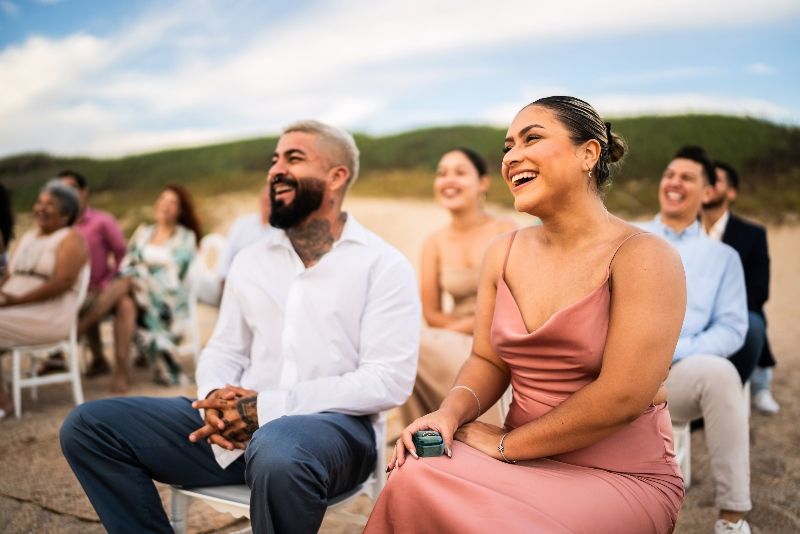
Not every meaningful family moment can be planned in advance. A spontaneous embrace, a burst of laughter during preparations, or a relative becoming emotional during the ceremony may reveal something about your relationships that no formal portrait could fully express.
Candid photography helps preserve these moments as they happen. Your photographer can observe interactions throughout the day, capturing the gestures and expressions that might otherwise be forgotten. These photographs can be particularly valuable when they include loved ones who played an important role in your life or who traveled a long distance to attend.
You can encourage this approach by allowing some parts of the day to unfold naturally. While it is useful to have a timeline and a list of essential photographs, you do not need to organize every interaction. Spending time with your family, talking with guests, and being present during the celebration creates opportunities for authentic photographs.
Respect the Traditions and People Behind Them
Some family traditions are deeply personal, and some cultural or religious practices may have particular expectations about when and how photographs should be taken. Discuss any relevant guidelines with your photographer before the wedding so everyone understands what is appropriate.
For example, you may have preferences about photography during a religious ceremony, private family rituals, or moments involving a loved one who does not enjoy being photographed. Communicating these details helps your photographer work thoughtfully and respectfully.
It is also worth considering how different family members may feel about participating in photographs. A warm, welcoming approach can help relatives feel comfortable without putting pressure on them. The aim is to preserve meaningful memories while allowing people to experience the celebration in a way that feels natural to them.
Combine Formal Portraits With Personal Storytelling
Traditional family portraits serve an important purpose. They bring relatives together in a photograph that may become one of the few images featuring everyone at the same time. These photographs are worth planning, particularly when family members have traveled to attend or when the opportunity to gather everyone again may be rare.
However, a wedding gallery can include much more than formal group arrangements. Photographs of relatives greeting each other, helping with preparations, sharing a meal, or enjoying the reception can add movement and personality to the story.
Talk with your photographer about the balance you prefer between posed portraits and candid coverage. If family relationships and traditions are central to your celebration, make that clear during the planning process. Your photographer can then consider these priorities when organizing the timeline and deciding where to focus throughout the day.
Create Photographs That Carry Your Family Story Forward
Wedding photographs often become part of a family’s history. They may be shared with relatives who could not attend, displayed in your home, or revisited years later as a reminder of the people who gathered to celebrate with you. Including traditions, heirlooms, and genuine family interactions gives these images layers of meaning that can deepen with time.
You do not need an elaborate tradition or a large collection of heirlooms to make your wedding photography personal. The small details that reflect your relationships can be just as important as the major events of the day.
By sharing what matters to you, planning essential family portraits, and leaving room for unscripted interactions, you can help your photographer create a gallery that reflects more than the appearance of your wedding. It can preserve the connections, customs, and shared experiences that made the celebration uniquely yours.
Frequently Asked Questions
October offers crisp air, warm seasonal colors, and diverse landscapes that add depth and character to wedding photographs. The natural fall foliage, textured outdoor settings, and intimate indoor venues provide a variety of beautiful backdrops that enhance the personal and timeless feel of your images.
To maximize the beauty of the fall landscape, choose locations with vibrant foliage, textured paths, or historic venues that complement your wedding attire and style. Work with your photographer to select spots that look appealing under the day's conditions, and remember that simple settings often highlight the couple's connection best.
October days are shorter, so scheduling portraits and outdoor photos requires careful planning to make the most of available daylight. Cloudy skies provide soft, even light, while shaded areas on sunny days reduce harsh shadows. Leaving flexibility in your timeline helps ensure relaxed, enjoyable photo sessions.
Opt for richer colors, layered fabrics, and seasonal details that coordinate naturally with your venue and surroundings. Incorporate elements like seasonal flowers, textured shawls, or accent colors to add personality without overwhelming the autumn theme. Also, prioritize comfort with warm wraps or footwear for outdoor portraits.
Allow breathing room in your photography timeline to let spontaneous interactions unfold naturally. Cooler weather and cozy indoor settings encourage guests to gather closely, creating opportunities for genuine moments like shared laughs or quiet exchanges that add personality and emotion to your wedding gallery.
Discuss with your venue about covered outdoor areas or attractive indoor spaces for portraits if weather changes. Rainy conditions can still offer unique photo opportunities with umbrellas or covered walkways, provided safety and comfort are ensured. Your photographer can help adapt plans based on weather and location.
While planning details is important, focus on how the day feels by allowing moments of laughter, quiet connection, and presence with loved ones. Trust your photographer to guide you while embracing natural interactions, resulting in a photo gallery that feels both polished and genuine.
Flexibility allows you to adapt to changing light conditions, weather, and the natural flow of the day. It helps avoid rushed sessions, enabling you to relax and enjoy the experience, which leads to more meaningful and authentic photographs.
Yes, if conditions are safe and you are comfortable, brief outdoor portraits with umbrellas or under covered areas can create distinctive and memorable images. Your photographer will assess practicality based on weather, location, and schedule to ensure the best results.
Fall colors can differ each year and by location, so it's best not to plan every photo around a specific foliage shade. Collaborate with your photographer to identify locations that will look beautiful on your wedding day regardless of exact leaf colors, ensuring timeless images.
